
How Fiber Reinforcement Solutions Prevent Concrete Cracking
Updated: Aug 19
Suitable for architectural engineers, structural engineers, and technicians.
Concrete cracking affects structural durability, appearance, and long-term maintenance costs. Understanding why cracks form—and how fiber reinforcement solutions address them—is essential for modern concrete design.

Why Concrete Cracks
Concrete cracks when tensile stresses exceed its limited tensile strength. Common causes include:
Plastic Shrinkage
Rapid surface moisture loss during early hydration creates tensile stress before concrete gains strength.
Drying Shrinkage
Long-term moisture loss leads to volume reduction and restrained cracking.
Thermal Stress
Temperature gradients during hydration or service induce internal stresses.
How Fiber Reinforcement Solutions Controls Cracks
Fiber reinforcement solutions introduce millions of discrete fibers that distribute tensile stress throughout the concrete matrix.
Fibers bridge micro-cracks before they propagate
Stress is redistributed rather than concentrated
Crack widths are significantly reduced
Best Fiber Types for Crack Control
Micro synthetic fibers for plastic shrinkage control
Macro synthetic fibers for post-crack load capacity
High-performance fibers for enhanced durability and toughness
Hybrid fiber systems often deliver the best results.
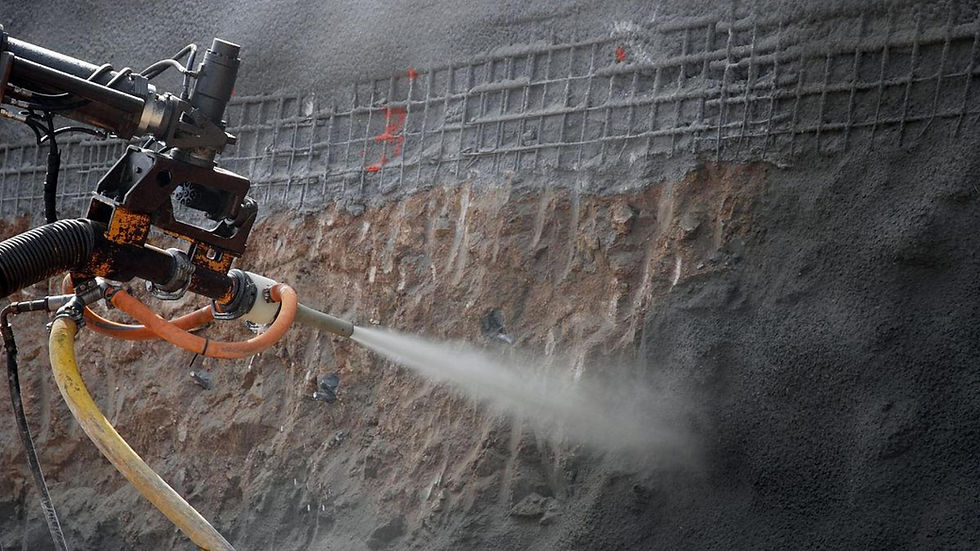
Applications Benefiting from Fiber Crack Control
Industrial floors and slabs-on-grade
Repair mortars and overlays
Precast and architectural concrete
Infrastructure exposed to cyclic loading
FAQ
Q1: Can fiber reinforcement eliminate concrete cracking completely?
A: No system can eliminate cracking entirely, but fibers significantly reduce crack width and frequency.
Q2: Are fibers a replacement for steel reinforcement?
A: Fibers enhance crack control but typically complement, not replace, structural steel.
Explore PIONEER’s range of concrete reinforcement fibers and how they improve concrete properties. Visit our website: www.pioneerfibre.com
Micro fiber >> Learn More
Macro fiber >> Learn More
Steel fiber >> Learn More
Asphalt fiber >> Learn More
Looking for a tailored fiber or concrete reinforcement solution?
Our technical team supports mix design optimization, material selection,
and project-specific recommendations worldwide.


Comments