


High-Performance Fibers
Designed for Specialised Concrete
Crack Control, Toughness & Durability Solutions
Since 2002, we have specialized in concrete crack resistance, waterproofing, and anti-corrosion technologies.
High-Performance Fibers for Concrete
Compare PVA, PAN, Basalt, Carbon, Fire-Resistant and Cellulose Fibers
PIONEER high-performance fibers include specialized polymer, mineral, carbon and cellulose fiber options for concrete and cementitious materials. Compare fiber types by material, reinforcement role, application and technical requirements, then continue to the relevant product page for specifications, dosage and supporting documentation.
What Are PIONEER High-Performance Fibers?
PIONEER high-performance fibers are specialized reinforcement fibers for concrete, mortar and other cementitious systems where material-specific properties are important to product selection.
The HPM range includes polyacrylonitrile (PAN), polyvinyl alcohol (PVA), basalt, carbon, fire-resistant polypropylene and cellulose fibers. These materials differ in composition, dimensions, modulus, chemical behavior, crack-control role and suitable applications.
Use this page to compare fiber types and identify the most relevant product family. For exact specifications, dosage and performance data, continue to the corresponding product page and current technical documentation.
Complete High-Performance Concrete Fiber Range
PIONEER offers a full portfolio of high-performance fibers for concrete and cementitious materials engineered to enhance the strength, integrity, and durability of concrete and cementitious materials.


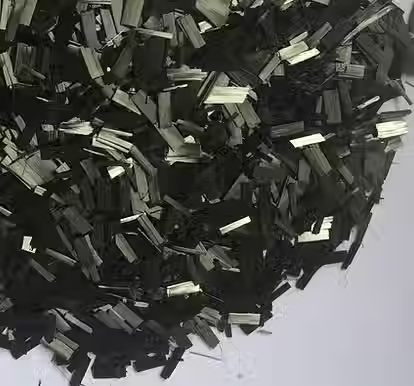


PAN Fiber
Best for
Chemical stability · Fine-fiber reinforcement
Typical evaluation areas
HPC · Mortar · Industrial cementitious systems
Material
Polyacrylonitrile
Product
HPM® PAN
PVA Fiber
Best for
Fiber–matrix interaction · Ductility · Crack control
Typical evaluation areas
ECC · Overlays · Mortar · Specialty concrete
Material
Polyvinyl Alcohol
Product
HPM® PVA
Basalt Fiber
Best for
Thermal and mechanical properties
Typical evaluation areas
Infrastructure · Mortar · Selected HPC systems
Material
Mineral / Basalt
Product
HPM® Basalt
Carbon Fiber
Best for
High modulus · Advanced material performance
Typical evaluation areas
Specialty HPC / UHPC · Functional cementitious systems
Material
Carbon
Product
HPM® Carbon
Fire Resistant Fiber
Best for
Fire-related concrete performance
Typical evaluation areas
Tunnels · Fire-exposed concrete · Precast
Material
Polypropylene
Product
HPM® FR
Cellulose Fiber
Best for
Cohesion · Workability · Surface behavior
Typical evaluation areas
Mortars · Renders · Overlays · Decorative systems
Material
Cellulose
Product
HPM® CR
High-Performance Fiber Selection Guide
Fiber Type
Material
Main Selection Focus
Typical Evaluation Areas
Product
PAN Fiber
Polyacrylonitrile
Chemical stability, fine-fiber reinforcement
HPC, mortar, industrial cementitious systems
HPM PAN
PVA Fiber
Polyvinyl Alcohol
Fiber-matrix interaction, ductility, crack control
ECC, overlays, mortar, specialty concrete
HPM PVA
Basalt Fiber
Mineral / Basalt
Thermal and mechanical properties
Infrastructure, mortar, selected HPC systems
HPM Basalt
Carbon Fiber
Carbon
High modulus and advanced material performance
Specialty HPC/UHPC and functional cementitious systems
HPM Carbon
Fire-Resistant Fiber
Polypropylene
Fire-related concrete performance
Tunnels, fire-exposed concrete, precast
HPM FR
Cellulose Fiber
Cellulose
Cohesion, workability and surface behavior
Mortars, renders, overlays, decorative systems
HPM CR
How to Choose the Right High-Performance Fiber
The right high-performance fiber depends on the concrete or mortar system, required performance, fiber material, matrix compatibility and available technical evidence. Use the following four-step process to narrow the most suitable option.
1. Define the Performance Requirement
Start with the primary project objective. This may include early-age crack control, ductility, fire-related performance, chemical stability, dimensional stability, toughness, surface quality or other material-specific requirements.
2. Compare Fiber Material
PVA, PAN, basalt, carbon, polypropylene and cellulose fibers have different physical and chemical properties. Select the material according to the concrete matrix and project objective rather than treating all high-performance fibers as interchangeable.
3. Review Product-Specific Technical Data
Compare fiber length, diameter, modulus, tensile properties, density, surface characteristics and other relevant parameters using the current product TDS.
4. Confirm Dosage and Performance Evidence
Before final specification, confirm product dosage, mixing requirements, applicable test methods and available technical documentation for the selected fiber.
Choose High-Performance Fibers by Application
HPC and Advanced Cementitious Systems
Select fibers according to the required mechanical, durability or material-performance objective and confirm compatibility with the concrete matrix.
UHPC
PVA, carbon and selected specialty fibers may be evaluated for UHPC depending on fiber dimensions, matrix design, fiber volume, dispersion and required performance. For detailed UHPC fiber comparison and dosage guidance, review the dedicated UHPC guide.
ECC, Mortars and Overlays
PVA, cellulose and other fine fiber systems may be evaluated according to crack-control, workability, bonding, finish and matrix requirements.
Fire-Exposed Concrete
Fire-resistant polypropylene fibers may be evaluated where explosive-spalling mitigation or fire-related concrete performance is required.
Precast Concrete
Fiber selection depends on element geometry, production process, surface requirements, crack control, durability objectives and available test evidence.
Infrastructure and Specialty Concrete
Basalt, carbon, PAN and other specialized fibers may be evaluated where project-specific mechanical, thermal, chemical or durability requirements justify their use.
Standards and Technical Documentation
Applicable standards vary by fiber material, product function and destination market. A standard used for polypropylene fiber may not apply to basalt, carbon, PVA or cellulose fiber.
Before specification, review the current TDS, SDS, available performance test reports and product-specific conformity documentation for the selected HPM fiber.

Looking for a Quote or More Information about Our Products?
Share your application and receive the best fiber recommendation.
Select your application to get a faster recommendation
Privacy Assurance: We respect your privacy and will never share your information.
Why Choose Us?
Proven Expertise & Greater Savings
24 years of focus
on fiber reinforcement solutions.
5,000 tons yearly
from advanced manufacturing.
20+ countries served
with global product distribution.
1,000 projects proven
in diverse applications worldwide.
Why Choose PIONEER Technologies
Certified Technical Data
Access product-specific datasheets, lab testing reports, and international compliance certificates for seamless project approval.
Proven Global Experience
Trusted worldwide for high-performance concrete fiber reinforcement across industrial, commercial, and infrastructure projects.
Broad Micro Fiber Range
Complete micro synthetic fiber portfolio—including monofilament, fibrillated, ultra-fine, self-dispersing, and polyester fibers for shrinkage crack control.
Expert Dosage & Engineering Support
Get tailored product selection, precise dosage optimization, and technical submittal assistance from our concrete specialists.

26,500m² production base

Advanced fiber dispersibility

Exceptional tensile strength
FAQ
High-performance fibers are specialized polymer, mineral, carbon or cellulose fibers used in concrete and cementitious materials for product-specific reinforcement or performance objectives. The appropriate fiber depends on the matrix, application and required technical properties.
Start with the required performance and concrete or mortar application, then compare fiber material, dimensions, modulus, tensile properties, dosage and available technical evidence.
PVA and PAN are different synthetic fiber materials with different surface characteristics, physical properties and application profiles. PVA is commonly evaluated in ECC and advanced cementitious composites, while PAN may be selected where its product-specific chemical and mechanical properties match the project requirements.
No. Basalt fiber is a mineral fiber produced from basalt material, while carbon fiber is a carbon-based reinforcement material. They should not be grouped as polypropylene-style synthetic microfibers.
Fire-resistant polypropylene fibers may be evaluated where explosive-spalling mitigation or fire-related concrete performance is required. Product suitability should be confirmed using the relevant fire test data and project requirements.