


HPM® CR
Flake Wood Cellulose Fiber
Wood Fiber for Sustainable Durable Concrete
Since 2002, we have specialized in concrete crack resistance, waterproofing, and anti-corrosion technologies.
HPM® CR
Wood Cellulose Fiber for Concrete
Natural Wood Cellulose Fiber for Crack Control, Cohesion & Eco-Friendly Concrete
What Is PIONEER® HPM® CR Flake Wood Cellulose Fiber?
PIONEER® HPM® CR is a refined flake wood cellulose microfiber (buckeye fiber) used to enhance concrete cohesion, reduce cracking, and improve surface quality.
Its unique flake structure promotes secondary dispersion during mixing, ensuring uniform fiber distribution in cementitious systems. This leads to improved workability, reduced bleeding, and superior resistance to microcracking—while supporting low-carbon construction practices.

Technical Specifications of Flake Wood Cellulose Fiber
-
Material: 100% natural wood cellulose
-
Fiber Type: Flake cellulose microfibers
-
Specific Gravity: 1.1 g/cm³
-
Length: 6 mm
-
Diameter: 0.03 mm
-
Tensile Strength: 500–900 MPa
-
Modulus of Elasticity: 7–10 GPa
-
Chemical Resistance: Excellent
-
Color: White
Applicable standards and test methods
PIONEER® HPM® CR complies with globally recognized standards for fiber-reinforced concrete:
-
ASTM C1116 – Standard Specification for Fiber-Reinforced Concrete
-
EN 14889-2 – Synthetic Fibres for Concrete
Key Benefits of Flake Wood Cellulose Fiber
-
Eco-Friendly Reinforcement
Made from renewable wood resources—ideal for green building and low-carbon projects.
-
Superior Secondary Dispersion
Flake structure enhances cohesion and mitigates fiber balling.
-
Plastic Shrinkage & Microcrack Control
Improves crack resistance during early hydration and curing.
-
Enhanced Durability
Increases freeze–thaw resistance and environmental stability.
-
Improved Workability & Stability
Reduces segregation and bleeding in fresh concrete.
-
Moisture Retention for Better Curing
Promotes dense, uniform, durable concrete.

On-site quality inspection

Minimizes premature plastic cracking
Applications of HPM® CR Cellulose Fiber
Perfect for improving workability, crack resistance, and surface quality in:
-
Hydraulic structures: dams, canals, water channels
-
Infrastructure: bridges, tunnels, retaining walls
-
Decorative concrete: stamped surfaces, exposed aggregate
-
HPC/UHPC mixes requiring improved stability
-
Precast elements: blocks, pipes, façade panels
-
Mass concrete: foundations, industrial slabs

Hong Kong-Zhuhai-Macao Bridge

Da Nang Pier, Vietnam
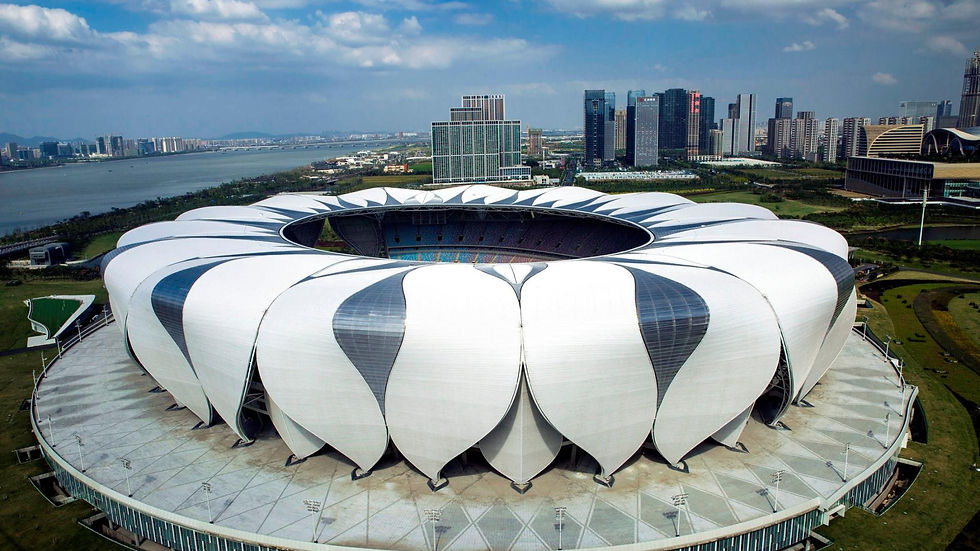
Hangzhou Olympic Center
Usage Guidelines
Dosage
1.0 to 2.0 lb/yd³ (600 to 1200 g/m³), depending on the required crack control and cohesion.
Mixing
Add with aggregates and cement. Standard mixing ensures uniform dispersion.
Role in Concrete
-
Enhances crack control
-
Improves cohesion and curing
-
Does not replace structural reinforcement
Custom Solutions for Specialized Projects
We offer OEM/ODM options for:
Fiber Size
-
Custom-cut lengths for different project needs.
Packaging Options
-
Bulk ton bags for ready-mix plants
-
Small bags for convenient dosing
Looking for Cost-Effective High-Performance Concrete Reinforcement?
High-performance fibers such as PVA fiber, basalt fiber, carbon fiber, and aramid fiber are widely used in high-performance concrete (HPC) and UHPC.
They deliver excellent strength and toughness—but in real projects, their high cost limits large-scale application, making them suitable mainly for specialized or high-end use.

A More Practical High-Performance Fiber
Rimix™ NanoRebar is designed to bring high-performance concrete reinforcement into everyday projects.
It provides:
-
High tensile strength and modulus for effective crack control
-
Performance in both plastic and hardened stages
-
Improved toughness and long-term durability
-
Ultra-fine fibers for better dispersion and efficiency
With lower dosage and optimized cost, NanoRebar makes high-performance concrete more practical and scalable.
Upgrade Performance Without Increasing Cost
Looking to enhance durability and crack resistance without using expensive fibers?


Looking for a Quote or More Information about Our Products?
Share your application and receive the best fiber recommendation.
Select your application to get a faster recommendation
Privacy Assurance: We respect your privacy and will never share your information.
Why Choose Us?
Proven Expertise & Greater Savings
24 years of focus
on fiber reinforcement solutions.
5,000 tons yearly
from advanced manufacturing.
20+ countries served
with global product distribution.
1,000 projects proven
in diverse applications worldwide.
Why Choose PIONEER® Technologies
Certified Technical Data
Access product-specific datasheets, lab testing reports, and international compliance certificates for seamless project approval.
Proven Global Experience
Trusted worldwide for high-performance concrete fiber reinforcement across industrial, commercial, and infrastructure projects.
Broad Micro Fiber Range
Complete micro synthetic fiber portfolio—including monofilament, fibrillated, ultra-fine, self-dispersing, and polyester fibers for shrinkage crack control.
Expert Dosage & Engineering Support
Get tailored product selection, precise dosage optimization, and technical submittal assistance from our concrete specialists.

26,500m² production base

Advanced fiber dispersibility

Exceptional tensile strength
FAQ
HPM® CR is a flake wood cellulose fiber designed for concrete, mortar and other cementitious materials. It can be evaluated where fresh-state cohesion, fiber distribution and early-age microcrack control are important product-selection criteria.
Wood cellulose fiber can be evaluated for fresh-state cohesion, bleeding or segregation control, surface behavior and early-age crack-control functions in compatible cementitious mixes. Actual performance depends on product dosage, matrix and mixing conditions.
HPM® CR is described as a wood-derived cellulose fiber rather than a polypropylene-, PVA- or PAN-type synthetic polymer fiber. Final material classification should follow the current HPM® CR technical documentation.
Final dosage should follow the current HPM® CR Technical Data Sheet and should be selected according to matrix type, required fresh-state behavior and crack-control objective.
Yes, HPM® CR can be evaluated for compatible mortar, repair and overlay systems where fiber distribution, cohesion and early-age crack-control requirements support its use. Mix trials are recommended for new formulations.