


HPM® PP
polypropylene concrete fiber
Upgrade Your Concrete with HPM®-PP Microfibers
Since 2002, we have specialized in concrete crack resistance, waterproofing, and anti-corrosion technologies.
HPM® PP Monofilament Polypropylene Microfiber
Microfiber Reinforcement for Early-Age Crack Control
HPM® PP is a monofilament polypropylene microfiber designed for plastic shrinkage and early-age crack control in concrete, mortar and plaster. Fine individual fibers disperse throughout the mix to provide distributed micro-reinforcement while supporting practical workability and finishing.
HPM® PP Polypropylene Microfiber for Concrete
HPM® PP is a monofilament polypropylene microfiber designed to reduce plastic shrinkage and settlement cracking in concrete, mortar, and plaster. The fine fibers disperse throughout the mix to form a three-dimensional micro-reinforcement network while maintaining practical workability and surface finish. HPM® PP is suitable for slabs, pavements, precast concrete, mortar, plaster, and other applications where early-age crack control is required.
Manufacturer Supply
Quality Guaranteed

Key Benefits of HPM® PP
Plastic Shrinkage Crack Control
Helps reduce plastic shrinkage cracking during the early stages of concrete hardening.
Settlement Crack Reduction
Distributed microfibers help control early settlement-related cracking around reinforcement and changes in section depth.
Improved Cohesion
Fine fibers can improve mix cohesiveness and help reduce bleeding and segregation.
Practical Surface Finish
Monofilament fibers are designed to disperse uniformly while maintaining practical finishing characteristics.
Non-Corrosive
Polypropylene fibers do not rust and do not introduce corrosion-related staining.
Easy Batching
Fibers are added directly to the mix and dispersed during normal concrete or mortar production.
Technical Specifications
Explore the technical properties of PP fibers that ensure consistent reinforcement and workability in your concrete mix design.
-
Material: 100% virgin polypropylene
-
Fiber Type: Monofilament microfiber
-
Specific Gravity: 0.91 g/cm³
-
Diameter: 0.026 - 0.035 mm
-
Lengths: 6 mm, 12 mm, 19 mm
-
Tensile Strength: 350–630 MPa
-
Modulus of Elasticity: 3000–5000 MPa
-
Melt Point: 162°C (324°F)
-
Chemical Resistance: Excellent alkali and acid resistance
-
Color: White
Standards & References : Developed with reference to internationally recognized standards for synthetic fiber-reinforced concrete.
How HPM® PP Works in Concrete
During mixing, HPM® PP disperses into a large number of fine monofilament fibers throughout the cementitious matrix. This distributed fiber network helps interrupt early microcrack development and improve cohesion during the plastic stage. HPM® PP is primarily an early-age crack-control microfiber rather than a macro fiber for post-crack residual performance.

Our engineers are conducting quality checks

Fiber-reinforced concrete is being placed
HPM® PP is designed for direct addition during concrete or mortar production, with product selection and dosage confirmed according to the mix and project requirements.
Recommended Dosage
-
General concrete: 0.6–1.2 kg/m³
-
Hot-weather slabs/pavements: 1.0–1.2 kg/m³
-
Mortar/plaster/render: 0.3–0.6 kg/m³
-
Shotcrete: 0.9–1.2 kg/m³。
Typical ranges shown for preliminary selection. Final dosage should follow the current TDS and project requirements.
Mixing Instructions
Add HPM® PP directly to the concrete or mortar mixer using the recommended batching sequence. Allow sufficient mixing time after fiber addition to achieve uniform dispersion. Any workability adjustment should follow the approved mix design and current TDS.
bullets
-
Add directly to the mixer
-
Distribute fibers gradually where practical
-
Allow sufficient mixing time
-
Confirm uniform dispersion before placement
-
Follow normal placing and finishing procedures
Recommended Applications
Slabs, Floors and Pavements
For plastic shrinkage and early-age crack control in industrial floors, slabs, pavements and similar concrete applications.
Precast Concrete
For precast production where early-age crack control, fiber dispersion, cohesion and surface quality are important.
Mortar, Plaster and Render
For cementitious mixes requiring fine distributed fibers to support crack control and cohesion.
Shotcrete
For selected shotcrete applications where micro synthetic fiber crack-control or cohesion benefits are required.
Overlays and Toppings
For thin concrete or mortar layers where early-age shrinkage and surface cracking require additional control.
Selected PIONEER® Project Experience
Examples of PIONEER® fiber technologies used across concrete infrastructure and construction applications. Product selection varies by project.

Hong Kong-Zhuhai-Macao Bridge
.avif)
Da Nang Pier, Vietnam

Hangzhou Olympic Stadium

Looking for a Quote or More Information about Our Products?
Share your application and receive the best fiber recommendation.
Select your application to get a faster recommendation
Please fill in all required fields.
Privacy Assurance: We respect your privacy and will never share your information.
Why Choose Us?
Proven Expertise & Greater Savings
24 years of focus
on fiber reinforcement solutions.
5,000 tons yearly
from advanced manufacturing.
20+ countries served
with global product distribution.
1,000 projects proven
in diverse applications worldwide.
Why Choose PIONEER® Technologies
1. Product-Specific Technical Documentation
Technical data, dosage information and available test documentation are provided by product.
2. Manufacturing Capability
HPM® PP is supplied through PIONEER® concrete fiber manufacturing and quality-control systems.
3. International Supply Experience
PIONEER® supplies concrete fiber products across multiple international markets.
4. Technical Support
Product selection, dosage guidance and technical documents are available for project-specific requirements.

26,500m² production base
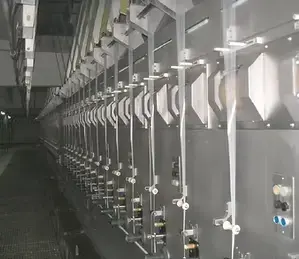
Advanced fiber dispersibility
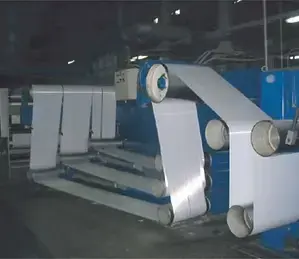
Exceptional tensile strength
FAQ
HPM® PP is a monofilament polypropylene microfiber used primarily for plastic shrinkage and early-age crack control in concrete, mortar, plaster and related cementitious applications.
Typical dosage depends on the application and mix. Refer to the current TDS for recommended ranges and confirm project-specific requirements before use.
HPM® PP is primarily a micro synthetic fiber for early-age crack control. It should not be treated as a substitute for macro fiber or structural reinforcement where post-crack residual performance is required.
HPM® PP is a monofilament microfiber, while HPM® PP Mesh is a fibrillated fiber that opens into a network-like structure during mixing. Their geometry and application focus differ.
The current HPM® PP Technical Data Sheet and Safety Data Sheet should be available in the Technical Documents section of this page.