


HPM PVA
Polyvinyl Alcohol Fiber for FRC
Enhance toughness and durability
Since 2002, we have specialized in concrete crack resistance, waterproofing, and anti-corrosion technologies.
HPM PVA Polyvinyl Alcohol Fiber for Concrete
High-Strength PVA Fiber for UHPC, Mortar, Overlay & Repair Systems
What Makes HPM PVA a High-Performance Fiber
HPM PVA (Polyvinyl Alcohol) fibers are engineered for ultra-high-performance concrete (UHPC), repair mortars, architectural finishes, and advanced cementitious composites requiring superior crack control and tensile performance.
PVA fibers can interact with cementitious matrices and bridge developing cracks when an appropriate grade is adequately dispersed. Dispersion and fiber–matrix interaction depend on fiber dimensions, surface treatment, dosage, matrix rheology and mixing procedure.
Specialty synthetic fibers
bulk pricing available

Technical Specifications of Polyvinyl Alcohol Fiber
PVA fiber properties are relevant to product selection, but the performance of the cementitious composite also depends on fiber dimensions, surface treatment, dosage, dispersion and matrix design. Verify toughness, tensile ductility and post-crack behavior using tests on the proposed mixture.
-
Material: 100% virgin polyvinyl alcohol (PVA)
-
Type: Monofilament synthetic fiber (straight and spiral-shaped options)
-
Specific Gravity: 1.3 g/cm³
-
Fine grade — approx. 14 μm / 1800 MPa / 42 GPa;
-
Larger-diameter grade — approx. 40 μm / 1000 MPa / 30 GPa
Applicable standards and test methods
HPM PVA fibers are intended for use in synthetic fiber-reinforced concrete and cementitious applications.
-
ASTM C1116/C1116M — Applicable reference for Type III synthetic fiber-reinforced concrete.
-
EN 14889-2 — Relevant European standard for polymer fibers used in concrete.

Precast concrete elements

UHPC
Key Performance Benefits
-
Superior crack control (plastic & drying shrinkage)
-
Strong interfacial bonding with cement hydrates
-
Enhanced toughness, ductility & flexural strength
-
Excellent dispersion & finishing quality
-
Ideal for thin-section overlays & repair systems
-
Boosts durability in UHPC & high-strength composites
How to Use PVA Fibers as a Concrete Fiber Additive
PIONEER PVA fibers can be added directly into concrete or mortar using standard mixing methods.
Dosage
Use 0.5–2.0 kg/m³ depending on the required crack control and durability performance.Select dosage according to the supplied PVA grade, cementitious matrix and required performance, using the current Technical Data Sheet and mixture trials. For UHPC or applications requiring tensile ductility, establish the dosage through application-specific mechanical testing.
Fiber Length Selection
-
6 mm: Ideal for mortars, repair materials, and thin overlays.
-
12 mm: Recommended for concrete, UHPC, and precast applications.
Mixing Guidelines
Gradually add the fibers with aggregates and cement to ensure uniform dispersion. Establish the fiber addition sequence, mixing time and any necessary mixture adjustments through trials using the proposed fiber grade, dosage, matrix and equipment. Add fibers progressively and verify uniform dispersion, workability and finishing performance before production.
Placement
Compatible with normal casting, pumping, and curing operations.
Note
PVA fibers significantly enhance crack resistance and toughness but do not replace structural steel reinforcement.
Applications of HPM PVA Fiber
-
UHPC & RPC (Reactive Powder Concrete)
-
Thin-section repair mortars & overlays
-
Self-leveling mortars & grout systems
-
Precast architectural components
-
High-strength bonding & structural repair
-
Decorative concrete with high durability requirement
-
Tunnel and metro lining mortars
-
Marine & chloride-exposed structures

Hong Kong-Zhuhai-Macao Bridge
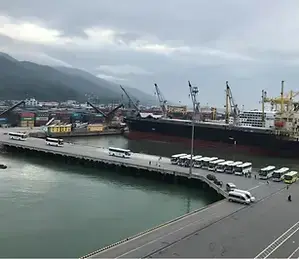
Da Nang Pier, Vietnam
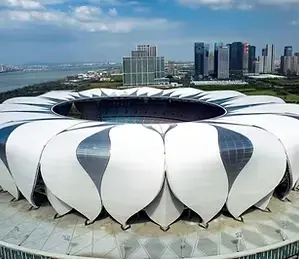
Hangzhou Olympic Center
Other PIONEER project applications
Custom Fiber Solutions for UHPC and Concrete Projects
PIONEER offers tailored PVA fiber solutions for your specific project requirements:
-
Lengths:
-
Customizable fiber lengths for mortar, HPC, or UHPC applications.
-
-
Packaging:
-
Bulk ton bags for large-scale production.
-
Pre-measured water-soluble or plastic bags for easy on-site dosing.
-

Contact Our Sales & Technical Team
For product inquiries, quotations, technical support, or distribution opportunities,
contact our team directly.
Sales & Business: Sales@pioneerfibre.com
Technical Support: Support@pioneerfibre.com
Sales Manager: +1 (406) 717-9829
Technical Director: +1 (929) 569-9992
Get a Quick Quote or Product Recommendation
Tell us about your application, and our team will help you find the right product and solution.Select your application below for a faster response.
Privacy Assurance: We respect your privacy and will never share your information.
Why Choose Us?
Proven Expertise & Greater Savings
Since 2002
Fiber Reinforcement Expertise.
Advanced Manufacturing
for Consistent Product Quality.
Global Distribution
& Supply Chain Support.
Experience Across
Diverse Construction Projects.
Why Choose PIONEER High-Performance Fibers
1. Product-Specific Documentation
Request current technical data sheets, available test reports and applicable conformity documents for the selected product.
2. Application-Based Selection
Select fibers according to the cementitious system, processing conditions and required mechanical, thermal or crack-control performance.
3. Specialty Fiber Options
Explore PVA, PAN, basalt, carbon, anti-spalling polypropylene and cellulose fibers for different application requirements.
4. Technical Support
Get support with product selection, dosage evaluation and mixing procedures. Confirm suitability through mixture trials and project-specific performance testing.

26,500m² production base
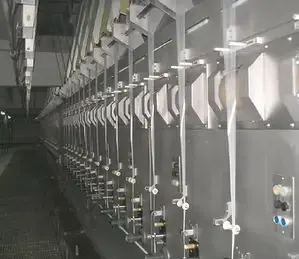
Advanced fiber dispersibility
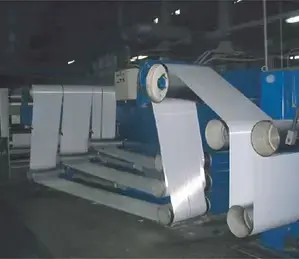
Exceptional tensile strength
FAQ
HPM PVA is a polyvinyl alcohol synthetic fiber designed for concrete, mortar and other cementitious materials. It can be evaluated where fiber-matrix interaction, crack bridging and fine distributed reinforcement are important product-selection criteria.
PVA fiber can be evaluated in UHPC, repair mortars, overlays, precast components and other advanced cementitious systems. Suitability depends on fiber grade, matrix compatibility, dosage and required performance.
Final dosage should follow the current HPM PVA Technical Data Sheet and should be selected according to fiber grade, cementitious matrix, application and required performance.
HPM PVA can be evaluated for compatible UHPC systems where fiber dimensions, matrix design, dosage, dispersion and required post-crack behavior support its use. Review product-specific UHPC data before selection.
PVA and PAN are different polymer fiber materials with different physical properties and fiber-matrix behavior. Selection should be based on product-specific data, concrete or mortar matrix, dosage and project requirements rather than assuming one material is universally better.