


HPM® FR
Fire-Resistant Fibers
Enhances concrete fire and blast resistance
Since 2002, we have specialized in concrete crack resistance, waterproofing, and anti-corrosion technologies.
Anti-Spalling Polypropylene Fiber for Concrete
High-Performance Anti-Spalling Polypropylene Fiber for Concrete
What is PIONEER® HPM® FR Fire-Resistant Fiber?
HPM™ FR is a polypropylene microfiber intended for concrete applications where mitigation of fire-induced spalling is an engineering objective. As temperature rises, polypropylene fibers can form vapor-relief pathways; actual spalling and fire-resistance performance depends on the concrete mixture, moisture condition, dosage, member geometry, loading and fire exposure, and should be verified for the intended system.
Specialty Synthetic Fibers
bulk pricing available

Technical Specifications of HPM® FR Anti-Spalling Fiber
Engineered for reliable fire performance in concrete, HPC, and UHPC.
-
Material: Virgin polypropylene (PP)
-
Type: Hollow monofilament synthetic fiber
-
Diameter: 0.0016-0.003 in.(40-70µm)
-
Nominal Length: 0.5 in.(12 mm)
-
Tensile Strength: 15-44 ksi (100-300 MPa)
-
Melting Point: 302-320 F (150-160 ℃)
-
Alkali, Acid, and Salt Resistance:High
-
Limit Crack Grade:Grade One (Crack reduction coefficient exceeds 70%)
Applicable standards and test methods
PIONEER® HPM® FR fibers meet global specifications for synthetic fibers used in concrete:
-
ASTM C1116 – Standard Specification for Fiber-Reinforced Concrete
-
EN 14889-2 – Synthetic Fibres for Concrete
Key Benefits of Fire-Resistant Polypropylene Fiber
Strengthen the fire performance and durability of concrete:
-
Helps mitigate the risk of explosive spalling by promoting vapor-pressure relief during fire exposure.
-
May contribute to improved fire-spalling resistance when validated as part of the complete concrete system under the applicable project fire exposure.
-
Reduces early-age shrinkage cracking.
-
Mix-friendly, no redesign required.
-
Cost-effective fire protection for HPC/UHPC.

Fire-Resistant Fiber for Concrete and Tunnel

Fire-resistant, anti-spalling fiber technology
Where to Use Fire-Resistant Concrete Fibers
HPM® FR is ideal for concrete structures requiring high fire resilience:
-
Subway tunnels / metro systems
-
Underground parking structures
-
High-rise buildings (columns, slabs, escape routes)
-
Airport & hospital infrastructure
-
Precast tunnel segments
-
HPC/UHPC fire-rated panels

Hong Kong-Zhuhai-Macao Bridge

Da Nang Pier, Vietnam
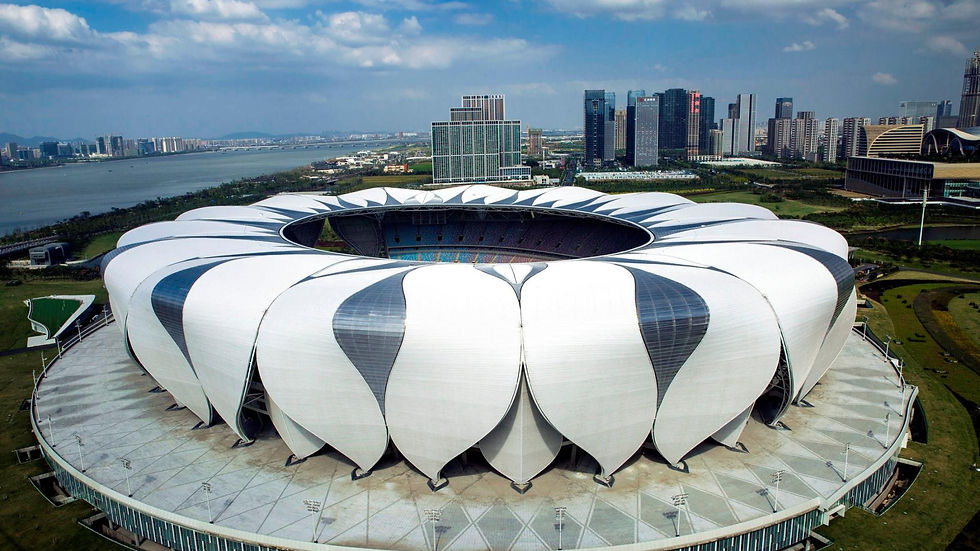
Hangzhou Olympic Center
How to Use Fire-Resistant Polypropylene Fiber in Concrete
Recommended usage guidelines:
-
Dosage: Dosage: 0.9–1.8 kg/m³ (typical: 1.2 kg/m³).
-
Available Lengths: 6 / 12 / 18 mm.
-
Mixing: Add fibers during dry mixing with aggregates.
-
Compatibility: Works with standard, HPC, and UHPC mixes.
Custom Fiber Solutions for Fire-Protected Projects
Available Lengths: 6 / 12 / 18 mm
Packaging Options:
-
Bulk ton bags
-
Water-soluble small packs
-
PE bags for jobsite dosing

Looking for a Quote or More Information about Our Products?
Share your application and receive the best fiber recommendation.
Select your application to get a faster recommendation
Privacy Assurance: We respect your privacy and will never share your information.
Why Choose Us?
Proven Expertise & Greater Savings
24 years of focus
on fiber reinforcement solutions.
5,000 tons yearly
from advanced manufacturing.
20+ countries served
with global product distribution.
1,000 projects proven
in diverse applications worldwide.
Why Choose PIONEER® Technologies
Certified Technical Data
Access product-specific datasheets, lab testing reports, and international compliance certificates for seamless project approval.
Proven Global Experience
Trusted worldwide for high-performance concrete fiber reinforcement across industrial, commercial, and infrastructure projects.
Broad Micro Fiber Range
Complete micro synthetic fiber portfolio—including monofilament, fibrillated, ultra-fine, self-dispersing, and polyester fibers for shrinkage crack control.
Expert Dosage & Engineering Support
Get tailored product selection, precise dosage optimization, and technical submittal assistance from our concrete specialists.

26,500m² production base

Advanced fiber dispersibility

Exceptional tensile strength
FAQ
HPM® FR is a hollow monofilament polypropylene fiber developed for concrete applications where explosive-spalling risk must be evaluated under fire exposure.
As the concrete is heated, the polypropylene fiber softens and melts according to its product-specific thermal properties. The resulting pathways can help relieve internal vapor pressure, which is one mechanism used to mitigate explosive-spalling risk.
No. Fire spalling depends on the complete concrete system, including moisture, permeability, strength, fiber dosage, element geometry and heating regime. HPM® FR should be evaluated using the project-specific fire-performance requirements and available test data.
Final dosage should follow the current HPM® FR Technical Data Sheet and should be selected according to concrete properties, required fire performance and applicable test evidence.
HPM® FR may be evaluated for compatible UHPC and other dense high-performance concrete mixes where fire-spalling mitigation is required. Suitability should be confirmed through mix qualification and relevant fire-performance testing.