
The Rise of Fiber-Reinforced HPC and UHPC in Global Infrastructure

Updated: Aug 20
Information Tags
• Type: 4-minute read
• Audience: Construction professionals, engineers, architects, contractors

Understanding the Shift to Advanced Concrete Technologies
As global infrastructure demands evolve, so too does the need for materials that offer superior strength, durability, and sustainability. Traditional concrete, while widely used, often falls short in high-stress environments or aggressive climates. This has led engineers and developers to turn to High-Performance Concrete (HPC) and Ultra-High Performance Concrete (UHPC) — both increasingly enhanced with fibers to improve mechanical behavior and long-term resilience.
What Sets HPC and UHPC Apart?
HPC is engineered to provide better workability, reduced permeability, and increased durability compared to conventional concrete. UHPC, a step further, achieves compressive strengths exceeding 150 MPa, thanks to its ultra-dense microstructure and optimized mix design. The addition of fibers significantly enhances their performance by improving tensile strength, crack resistance, and impact absorption.
Why Fibers Are Essential in HPC and UHPC
Fibers play a critical role in overcoming the inherent brittleness of high-performance concretes. By distributing stress and controlling crack propagation, they enhance structural integrity and service life.
Key Benefits of Fiber Reinforcement:
Improved tensile and flexural strength
Enhanced ductility and energy absorption
Better fire spalling resistance
Increased durability under environmental exposure
Reduced maintenance costs over time
Among synthetic fibers, Polyvinyl Alcohol (PVA) fibers have emerged as a preferred choice due to their excellent bonding properties, non-corrosive nature, and compatibility with dense cementitious matrices.

Global Adoption of Fiber-Reinforced HPC and UHPC
The use of fiber-reinforced HPC and UHPC is expanding rapidly across continents, driven by infrastructure modernization, regulatory changes, and a growing focus on lifecycle cost efficiency.
Regional Highlights:
North America
In the U.S. and Canada, UHPC is being specified for bridge decks, precast elements, and retrofitting projects to extend service life and reduce maintenance. Federal agencies like FHWA promote its use in transportation infrastructure.
Europe
European countries such as France, Germany, and Switzerland have pioneered UHPC usage in bridges, pedestrian walkways, and façade systems. Many national codes now include guidelines for fiber-reinforced high-performance concretes.
Asia-Pacific
China, Japan, and South Korea lead in large-scale implementation, using fiber-reinforced HPC and UHPC in high-speed rail infrastructure, marine structures, and seismic-resistant buildings.
Middle East & Africa
With increasing investment in sustainable urban development, these regions are adopting high-performance concrete solutions to combat extreme weather conditions and corrosion from saltwater exposure.
Applications Driving Market Growth
Several high-profile sectors are fueling the rise of fiber-reinforced HPC and UHPC:
1. Transportation Infrastructure
Bridges, tunnels, and highway overlays benefit from the high strength-to-weight ratio and fatigue resistance offered by fiber-reinforced HPC and UHPC.
2. Coastal and Marine Structures
Ports, piers, and offshore platforms require materials resistant to chloride ingress and wave action — making fiber-reinforced UHPC an ideal solution.
3. Architectural and Aesthetic Elements
Thin, lightweight panels made with UHPC allow architects to push design boundaries while maintaining structural integrity.
4. Energy and Industrial Facilities
Power plants, nuclear containment structures, and chemical facilities demand materials with exceptional durability — another area where fiber-reinforced HPC and UHPC excel.

Material Innovation and Sustainability Trends
Beyond performance, the construction industry is also embracing fiber-reinforced HPC and UHPC for their environmental benefits.
Sustainable Advantages Include:
Longer lifespan reduces material consumption and demolition waste
Compatibility with recycled aggregates and supplementary cementitious materials (SCMs)
Lower carbon footprint through optimized mix designs
Reduced need for steel reinforcement in certain applications
Ongoing research into bio-based fibers, hybrid systems, and self-healing concrete is expected to further expand the capabilities and eco-friendliness of these advanced materials.
Challenges and Future Outlook
While the adoption of fiber-reinforced HPC and UHPC continues to grow, challenges remain — including higher initial costs, specialized production requirements, and limited global standardization.
However, as more case studies demonstrate their long-term value and economies of scale develop, these barriers are gradually being overcome.
Looking ahead, we can expect to see:
Increased integration of smart monitoring systems within HPC and UHPC structures
Greater use of automation and prefabrication in fiber-reinforced concrete manufacturing
Expansion of code approvals and international specifications for UHPC applications


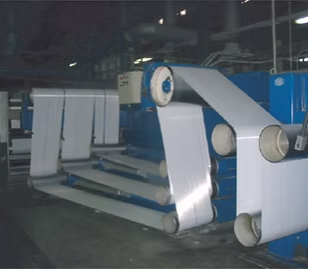
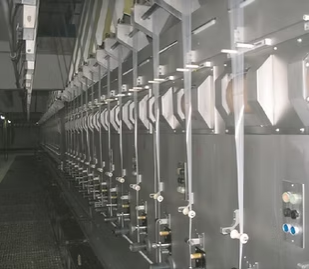
Explore PIONEER’s range of concrete reinforcement fibers and how they improve concrete properties. Visit our website: www.pioneerfibre.com
Micro fiber >> Learn More
Macro fiber >> Learn More
Steel fiber >> Learn More
Asphalt fiber >> Learn More
Looking for a tailored fiber or concrete reinforcement solution?
Our technical team supports mix design optimization, material selection,
and project-specific recommendations worldwide.



Comments