


HPM® SD PP
Self-Dispersing Polypropylene Fibers
Tangle-Free, Uniform Dispersion
Since 2002, we have specialized in concrete crack resistance, waterproofing, and anti-corrosion technologies.
HPM® SD PP Self-Dispersing Polypropylene Fiber
Designed for Improved Dispersion in Dry-Mix Mortar
HPM® SD PP is a self-dispersing monofilament polypropylene fiber developed for dry-mix mortar, plaster and related cementitious products. Its surface treatment and fiber geometry are designed to support rapid, consistent dispersion during dry blending and subsequent mixing.
What Is HPM® SD PP Self-Dispersing Fiber?
HPM® SD PP is a self-dispersing monofilament polypropylene microfiber designed for dry-mix mortar and related cementitious formulations. Its fiber geometry and surface treatment are intended to improve dispersion during dry blending and mixing, helping reduce fiber agglomeration and support more consistent fiber distribution.
Typical applications include dry-mix mortars, plaster, putty, skim coats, self-leveling mortar, tile adhesives, grouts and repair mortar, subject to the current product TDS and formulation requirements.
Manufacturer Supply
Quality Guaranteed

Technical Specifications
-
Material: 100% virgin polypropylene
-
Type: self-dispersing monofilament micro synthetic fiber
-
Specific Gravity: 0.91
-
Diameter: 0.04–0.07 mm
-
Lengths: 3 / 6 / 9 mm
-
Melting Point: 160–165°C
-
Color: White
-
Chemical resistance:Refer to current TDS
Refer to the current HPM® SD PP Technical Data Sheet for product-specific values, tolerances and test methods.
How to Improve Fiber Dispersion in Dry-Mix Mortar
HPM® SD PP is designed to support improved fiber separation in dry-mix mortar. Actual dispersion depends on fiber grade and dosage, formulation, moisture, feeding method, mixer type and batch size; it should therefore be verified with the current TDS and a production-scale trial.
For a controlled evaluation:
-
Add fiber gradually into moving dry materials rather than placing the full dose in one location.
-
Confirm dry-blending time and addition sequence using the actual mixer and batch size.
-
Inspect representative samples for visible bundles and uneven fiber distribution before approving production.
Do not use additional water as the default response to poor dispersion, as it can change formulation performance. For troubleshooting guidance on fiber bundles, flow changes and dosing checks, read “How to Prevent Polypropylene Microfiber Clumping in Dry-Mix Mortar”.

High-Dispersion Fiber for Dry-Mix Production

FRC is being placed
Key Benefits
Self-Dispersing Fiber Design
Promotes rapid, uniform mixing and helps reduce fiber clumping.
Anti-Static Surface Treatment
Surface treatment is intended to reduce static-related fiber aggregation in dry powder systems.
Consistent Fiber Distribution
Supports more uniform fiber incorporation when used with appropriate dosage and mixing conditions.
Fine Surface Finish
Short microfiber dimensions can be suitable for thin mortar, plaster and coating applications where visible fiber is undesirable.
Chemical Stability
Polypropylene offers resistance to many alkaline and chemical environments, subject to product documentation.
Production-Line Integration
Can be incorporated into standard dry-mix production workflows using the recommended addition and mixing procedure.
Recommended Applications
Dry-Mix Mortars and Plasters
For dry powder formulations where fiber dispersion and early-age crack-control consistency are important.
Putty, Skim Coat and Thin Plaster
Suitable for fine-layer applications where short fiber length and surface finish are important selection factors.
Self-Leveling Mortar
May be evaluated for formulations requiring fine fiber distribution without excessive visible fiber.
Tile Adhesives, Grouts and EIFS Base Coats
For selected cementitious dry-mix products where polypropylene microfiber is compatible with the formulation.
Repair Mortars
Suitable for selected repair mortar systems where crack-control support and fiber dispersion are required.
Dosage and Mixing Guidelines
HPM® SD PP dosage and fiber length should be selected according to the dry-mix formulation, application, production equipment and required performance. Final values should follow the current TDS.
Item
Guidance
Typical Dosage
0.6–1.0 kg/m³
Typical Reference
0.9 kg/m³
Fiber Length
Verify against current TDS
Addition
Add during dry blending or batching
Mixing
Mix sufficiently to achieve consistent fiber distribution
Applicable Standards and Technical References
HPM® SD PP technical documentation references applicable requirements of ASTM C1116 and EN 14889-2 where relevant. Confirm product-specific classification, conformity and declarations in the current technical documents.
Packaging and Supply Options
-
Available Lengths
Fiber lengths are available according to product grade and application requirements. -
Packaging
Bulk and small-dose packaging options may be available depending on order and market requirements. -
OEM / Private Label
OEM or distributor packaging options may be available for qualified projects.

Looking for a Quote or More Information about Our Products?
Share your application and receive the best fiber recommendation.
Select your application to get a faster recommendation
Privacy Assurance: We respect your privacy and will never share your information.
Why Choose Us?
Proven Expertise & Greater Savings
24 years of focus
on fiber reinforcement solutions.
5,000 tons yearly
from advanced manufacturing.
20+ countries served
with global product distribution.
1,000 projects proven
in diverse applications worldwide.
Why Choose PIONEER®
1.Product Documentation
TDS, SDS and available technical documentation by product.
2.Manufacturing Capability
Concrete and mortar fiber production and quality-control capability.
3.International Supply
Experience supplying fiber products across multiple markets.
4.Technical Support
Product selection and dosage guidance for formulation and project requirements.

26,500m² production base
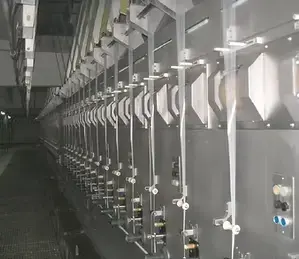
Advanced fiber dispersibility
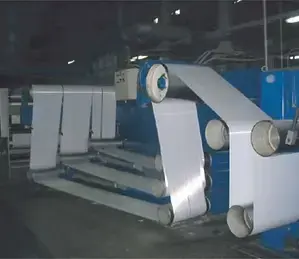
Exceptional tensile strength
FAQ
It refers to a polypropylene microfiber designed with geometry or surface treatment that supports fiber separation and more consistent dispersion during dry blending and mixing.
HPM® SD PP is designed specifically for improved dispersion in dry powder and mortar systems, while standard PP microfiber products may target broader concrete and mortar applications.
Typical applications include dry-mix mortar, plaster, putty, skim coat, self-leveling mortar, repair mortar and selected tile adhesive or grout formulations.
The current page lists 0.6–1.0 kg/m³ as a typical range, but final dosage should follow the current HPM® SD PP TDS and formulation requirements.
It is designed to reduce fiber agglomeration and improve dispersion, but actual mixing performance depends on dosage, fiber length, dry-mix formulation and production conditions.