
What Is Crystalline Waterproofing?
Updated: Aug 19
Suitable for architectural engineers, structural engineers, and technicians.
Crystalline waterproofing is an advanced integral concrete waterproofing technology that prevents water penetration by forming insoluble crystalline structures inside concrete pores, capillaries, and microcracks.
Unlike surface membranes or coatings, crystalline waterproofing becomes a permanent part of the concrete matrix, offering long-term protection against water ingress, chemical attack, and durability loss.

How Crystalline Waterproofing Works in Concrete
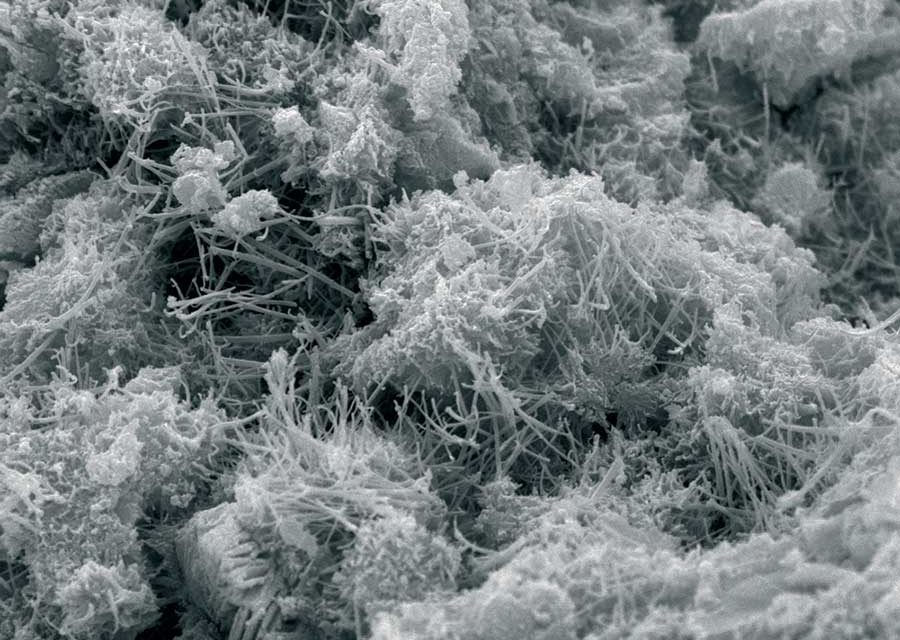
Crystalline waterproofing works through a chemical reaction between active compounds and unhydrated cement particles in the presence of moisture.
Crystal Growth Inside Concrete Capillaries
When water enters concrete, crystalline chemicals react and form needle-like crystals that:
Block pores and capillary pathways
Seal microcracks up to 0.6 mm
Prevent further water migration
This reaction continues throughout the service life of the structure whenever moisture is present.
Self-Healing Mechanism Explained
One of the defining advantages of crystalline waterproofing is its self-healing capability.If new microcracks form later, incoming water reactivates the crystalline chemicals, automatically sealing the cracks without external repair.
Crystalline Waterproofing vs Traditional Waterproofing Systems
Feature | Crystalline Waterproofing | Membrane Systems |
Protection Method | Internal crystal formation | External barrier |
Crack Sealing | Self-healing | No |
Durability | Lifetime of concrete | Limited lifespan |
Damage Risk | No delamination | High |
Maintenance | Minimal | Frequent |
Crystalline waterproofing protects concrete from within, while membranes only protect the surface.

Types of Crystalline Waterproofing Systems
Integral Crystalline Waterproofing (Admixture)
Added directly into fresh concrete, crystalline admixtures provide full-depth waterproofing for:
Foundations
Basements
Water-retaining structures
Surface-Applied Crystalline Waterproofing
Applied to hardened concrete surfaces, these systems penetrate inward and react with moisture, making them ideal for:
Repair projects
Retrofit waterproofing
Existing structures
Key Benefits of Crystalline Waterproofing
Permanent waterproofing integrated into concrete
Self-healing of microcracks
Resistance to hydrostatic pressure
Improved durability and service life
No need for surface protection layers
Typical Applications of Crystalline Waterproofing
Crystalline waterproofing is widely used in:
Basements and foundations
Tunnels and underground structures
Water tanks and reservoirs
Marine and coastal infrastructure
Wastewater treatment plants
Why Engineers Choose Crystalline Waterproofing
Engineers prefer crystalline waterproofing because it:
Reduces long-term maintenance costs
Eliminates membrane failure risks
Enhances concrete durability in aggressive environments
Supports sustainable construction goals
Crystalline Waterproofing Solutions by PIONEER®
PIONEER® crystalline waterproofing solutions are engineered for long-term concrete durability, offering both admixture-based and surface-applied systems tailored for infrastructure and industrial projects.
FAQ Section
Q1: Is crystalline waterproofing permanent?
Yes. Crystalline waterproofing becomes part of the concrete matrix and lasts for the full service life of the structure.
Q2: Can crystalline waterproofing seal cracks?
Yes. It can self-seal microcracks up to approximately 0.4 mm when moisture is present.
Q3: Is crystalline waterproofing better than membranes?
For long-term durability and self-healing performance, crystalline waterproofing offers significant advantages over surface membranes.
Q4: Can crystalline waterproofing be applied to existing concrete?
Yes. Surface-applied crystalline systems are designed for existing structures and repairs.
Explore PIONEER’s range of concrete reinforcement fibers and how they improve concrete properties. Visit our website: www.pioneerfibre.com
Micro fiber >> Learn More
Macro fiber >> Learn More
Steel fiber >> Learn More
Asphalt fiber >> Learn More
Looking for a tailored fiber or concrete reinforcement solution?
Our technical team supports mix design optimization, material selection,
and project-specific recommendations worldwide.


Comments