

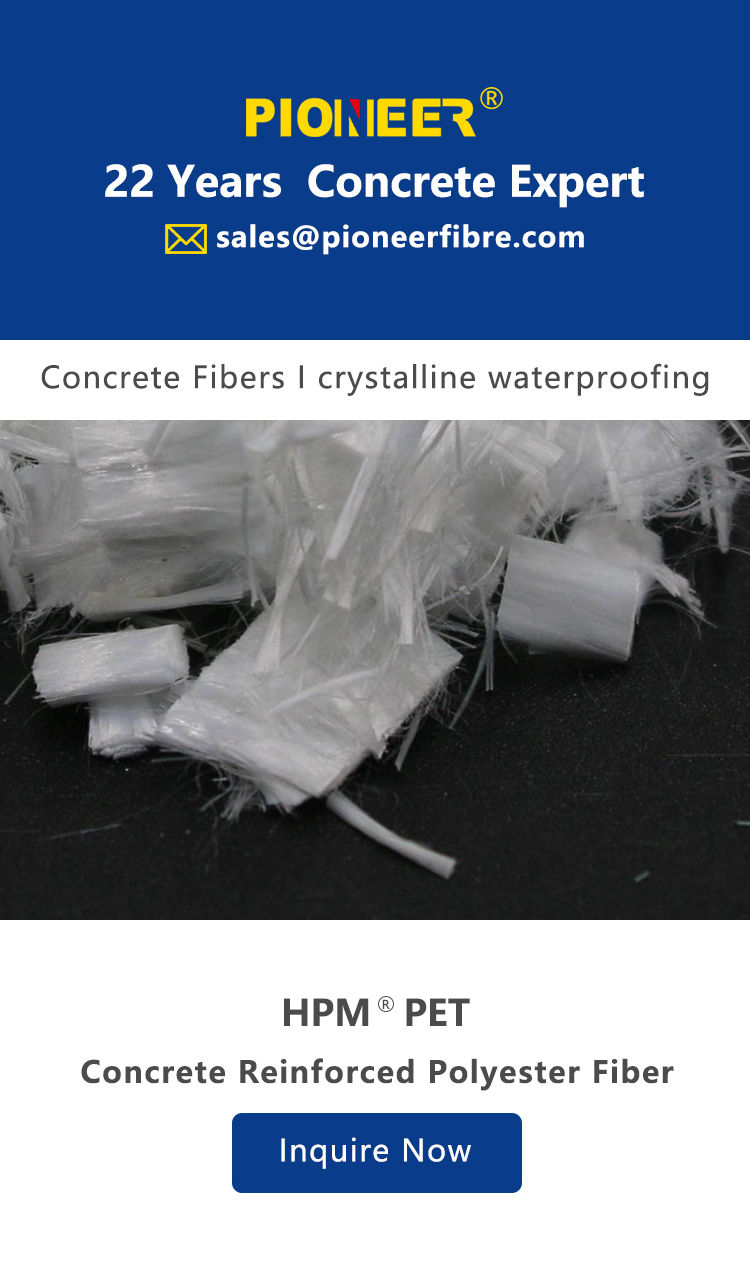

HPM® PET
Polyester Fiber for FRC
Designed for concrete and dry mortar
Since 2002, we have specialized in concrete crack resistance, waterproofing, and anti-corrosion technologies.
HPM® PET Polyester Fiber for Concrete
Monofilament PET Microfiber for Concrete and Mortar
HPM® PET is a monofilament polyester (PET) microfiber designed for concrete, fiber-reinforced concrete and mortar applications. It provides distributed micro-reinforcement and can be evaluated for crack-control, finishing and cementitious applications where polyester fiber properties are preferred.
What Are PIONEER® HPM® PET Polyester Fibers?
HPM® PET is a monofilament polyester microfiber developed for use in concrete, mortar and related cementitious materials. The fibers distribute throughout the mix to provide fine distributed reinforcement and can be used in selected applications where crack-control, surface finish and polyester fiber properties are relevant.
Typical applications include concrete slabs, precast elements, repair mortars, overlays and selected dry-mix mortar systems. Final suitability should be confirmed using the current HPM® PET technical data and project requirements.
Manufacturer Supply
Quality Guaranteed

Technical Specifications
-
Material: 100% modified polyester
-
Type:Monofilament micro synthetic fiber
-
Diameter:0.02 mm
-
Lengths:6 / 12 / 19 mm
-
Tensile Strength:600 MPa
-
Elastic Modulus:7 GPa
-
Chemical Resistance: Refer to current TDS
-
Color: White
Refer to the current HPM® PET Technical Data Sheet for product-specific values, tolerances and test methods.
Applicable Standards and Technical References
HPM® PET technical documentation references applicable synthetic fiber standards, including ASTM C1116/C1116M and EN 14889-2 where relevant. Confirm product-specific classification and conformity in the current technical documents.
How Polyester Fibers Work in Concrete and Mortar
When mixed into concrete or mortar, HPM® PET distributes as fine monofilament fibers throughout the cementitious matrix. This distributed reinforcement can help interrupt early microcrack development and support cohesion, while the fine fiber size may also be suitable for applications where surface finish is important.
Final performance depends on fiber length, dosage, mix design, application and project conditions.

Reduce cracking in dry-mix mortar applications

Introduce fibers into the concrete mix
Key Benefits of HPM® PET
Polyester Microfiber Reinforcement
Provides fine distributed reinforcement throughout concrete and mortar.
Crack-Control Support
Can help control early-age cracking when used at the appropriate dosage and in suitable applications.
Consistent Fiber Distribution
Monofilament fibers can be distributed throughout the mix using the recommended batching and mixing procedure.
Fine Surface Finish
Small fiber dimensions can be suitable for finish-sensitive concrete and mortar applications.
Non-Corrosive Material
Polyester fibers do not rust or cause corrosion staining.
Application Flexibility
Available in multiple fiber lengths for selected concrete, mortar and dry-mix applications.
Recommended Applications
Concrete Slabs and Floors
For selected concrete applications requiring distributed polyester microfiber reinforcement and early-age crack-control support.
Precast Concrete
Suitable for selected precast elements where fiber distribution and surface finish are important.
Repair Mortars and Overlays
For cementitious repair and overlay systems where fine distributed fiber reinforcement is required.
Dry-Mix Mortar and Plaster
For selected dry-mix formulations where polyester microfiber is compatible with the production and application requirements.
Selected FRC Applications
May be evaluated for other fiber-reinforced concrete systems according to current technical data and project requirements.
Dosage and Mixing Guidelines
HPM® PET dosage and fiber length should be selected according to the concrete or mortar application, mix design and required performance. Final values should follow the current Technical Data Sheet.
Item
Guidance
Typical Dosage
Verify against current TDS
Available Lengths
6 / 12 / 19 mm
Concrete Use
Select length according to mix and application
Mortar / Dry-Mix Use
Select shorter grades where appropriate
Mixing
Add using the recommended batching sequence
Packaging and Supply Options
-
Available fiber lengths
-
Bulk / small-dose packaging
-
OEM / private-label options where available

Looking for a Quote or More Information about Our Products?
Share your application and receive the best fiber recommendation.
Select your application to get a faster recommendation
Privacy Assurance: We respect your privacy and will never share your information.
Why Choose Us?
Proven Expertise & Greater Savings
24 years of focus
on fiber reinforcement solutions.
5,000 tons yearly
from advanced manufacturing.
20+ countries served
with global product distribution.
1,000 projects proven
in diverse applications worldwide.
Why Choose PIONEER® Technologies
1. Product Documentation
TDS, SDS and available technical documents.
2. Manufacturing Capability
Concrete fiber production and quality-control systems.
3. International Supply
Experience supplying fiber products across multiple markets.
4. Technical Support
Product selection and dosage guidance for concrete and mortar applications.

26,500m² production base
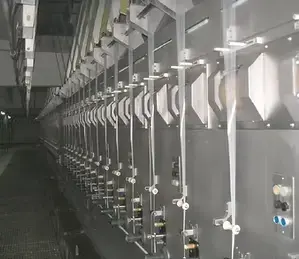
Advanced fiber dispersibility
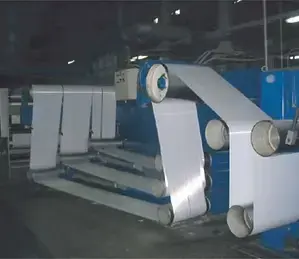
Exceptional tensile strength
FAQ
HPM® PET is a monofilament polyester microfiber used in selected concrete, FRC, mortar and dry-mix applications where distributed micro-reinforcement and crack-control support are required.
No. PET and polypropylene are different polymer materials. HPM® PET uses polyester, while HPM® PP uses polypropylene. Their material properties and product positioning differ.
Dosage depends on the application, mix design, fiber length and required performance. Refer to the current HPM® PET TDS for the recommended range.
Yes, in selected mortar and dry-mix applications where the product grade, fiber length and formulation are compatible with the intended use.
HPM® PET should not be treated as a universal substitute for structural reinforcement unless project design and product-specific performance data support that use.