


HPM AR
High-performance AR Fiberglass
Reinforcement for Concrete and GFRC
Since 2002, we have specialized in concrete crack resistance, waterproofing, and anti-corrosion technologies.
HPM AR Alkali-Resistant Glass Fiber
Zirconia-Rich Chopped Glass Fiber for GFRC and Cementitious Applications
HPM AR is a zirconia-rich alkali-resistant chopped glass fiber designed for use in GFRC, concrete, mortar and other cementitious products. Its alkali-resistant glass composition is intended for high-pH cement environments where conventional glass fibers may not provide suitable long-term resistance.
What Is HPM AR Alkali-Resistant Glass Fiber?
HPM AR is a zirconia-rich, alkali-resistant chopped glass fiber for evaluation in GFRC, mortar, concrete and other compatible cementitious products. Fiber selection should consider strand format, length, surface treatment, dosage and the intended manufacturing process.
Dispersion and crack-control performance depend on the fiber grade, matrix composition and mixing conditions. Verify early-age cracking and hardened-material properties using tests appropriate to the intended application. HPM AR is supplied as chopped fiber strands in a variety of lengths.
high-quality glass fibers
Quality Guaranteed

Technical Specifications
Material : Zirconia-Rich Alkali-Resistant Glass Fiber
Product Form : Chopped Strands
Specific Gravity : 2.68 g/cm³
Fiber Diameter : 13–18 μm
Available Lengths : 6 / 12 mm
Tensile Strength : 1700–2000 MPa
Elastic Modulus : 70–80 GPa
Zirconia Content : ≥16.5%
Color : White
Chemical Resistance : Refer to current TDS
Refer to the current HPM AR Technical Data Sheet for product-specific values, tolerances and test methods.
Applicable Standards and Technical References
HPM AR technical documentation references standards applicable to alkali-resistant glass fiber used in cementitious systems, including ASTM C1666 and EN 15422 where relevant. Confirm product-specific classification and conformity in the current technical documents.
How Alkali-Resistant Glass Fiber Works in Cementitious Systems
AR glass fiber is formulated to withstand the alkaline environment of cement-based materials better than conventional non-AR glass fiber. When dispersed through the matrix, chopped strands can provide distributed reinforcement and help control crack development in suitable GFRC, mortar and concrete applications.
Performance depends on fiber type, zirconia content, length, dosage, matrix composition, manufacturing process and project requirements.

Facade cladding and architectural components

Decorative precast elements
Key Benefits of HPM AR
Alkali-Resistant Glass Composition
Designed for use in high-pH cementitious environments where conventional glass fibers
may be unsuitable.
Zirconia-Rich Formulation
Zirconia content supports the material's alkali-resistant performance in cement-based systems.
Distributed Reinforcement
Chopped strands can provide distributed reinforcement throughout GFRC, mortar and other cementitious matrices.
Crack-Control Support
Can help control crack development when the correct fiber type, dosage and matrix design are used.
Suitable for Thin-Section Products
AR glass fibers are widely used in GFRC and architectural cement products where thin sections and distributed reinforcement are required.
Non-Corrosive Material
Glass fibers do not rust like steel reinforcement.
Applications of AR Glass Fibers
GFRC / GRC Architectural Components
Facades, cladding, decorative panels and other thin-section cementitious components requiring AR glass reinforcement.
Precast Cementitious Products
Selected panels, architectural elements and precast products where chopped AR glass fiber is compatible with the matrix and production process.
Repair Mortars and Overlays
Selected repair mortar and overlay systems requiring alkali-resistant distributed fiber reinforcement.
High-Performance Cementitious Composites
May be evaluated for selected HPC or UHPC applications where AR glass fiber properties match the matrix and project requirements.
Other Cement-Based Products
Use in other cementitious systems should follow the current TDS and project-specific validation.

GRC panels

Lightweight concrete panels

UHPC building facade panels
Dosage and Mixing Guidelines
HPM AR dosage and fiber length should be selected according to the cementitious system, production method and required performance. Concrete, mortar and GFRC applications may use different fiber contents and processing methods, so final values should follow the current product TDS and project formulation.
Item
Guidance
Available Lengths
6 / 12 mm
General Concrete
Refer to current TDS
GFRC Fiber Content
Confirm separately for GFRC process
Mixing
Add according to the approved production procedure
Packaging and Supply Options
Available Fiber Lengths
6 mm, 12 mm and other product-specific options where available.
Packaging
Bulk and smaller-dose packaging options according to order requirements.
OEM / Private Label
Available for qualified distributor or private-label programs where supported.

Contact Our Sales & Technical Team
For product inquiries, quotations, technical support, or distribution opportunities,
contact our team directly.
Sales & Business: Sales@pioneerfibre.com
Technical Support: Support@pioneerfibre.com
Sales Manager: +1 (406) 717-9829
Technical Director: +1 (929) 569-9992
Get a Quick Quote or Product Recommendation
Tell us about your application, and our team will help you find the right product and solution.Select your application below for a faster response.
Privacy Assurance: We respect your privacy and will never share your information.
Why Choose Us?
Proven Expertise & Greater Savings
Since 2002
Fiber Reinforcement Expertise.
Advanced Manufacturing
for Consistent Product Quality.
Global Distribution
& Supply Chain Support.
Experience Across
Diverse Construction Projects.
Why Choose PIONEER Technologies
1. Product-Specific Documentation
Request current technical data sheets, available test reports and applicable conformity documents for the selected product.
2. Application-Based Selection
Select micro synthetic fibers according to the concrete or mortar mixture, production process and crack-control requirements.
3. Micro Synthetic Fiber Options
Explore monofilament, fibrillated, ultra-fine, self-dispersing and polyester fibers for selected cementitious applications.
4. Technical Support
Get support with product selection, dosage evaluation and mixing procedures. Confirm suitability through mixture trials and project requirements.
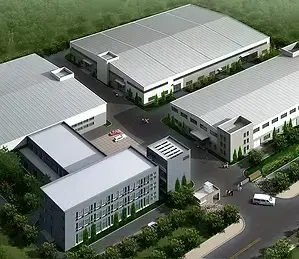
26,500m² production base
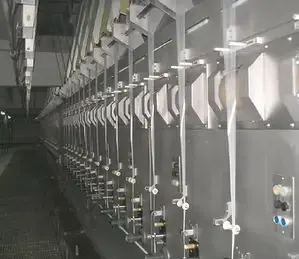
Advanced fiber dispersibility
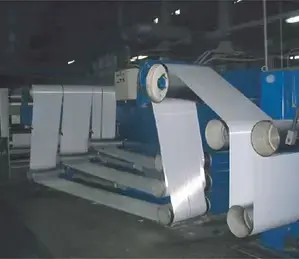
Exceptional tensile strength
FAQ
Alkali-resistant glass fiber is formulated with zirconia to improve resistance to the high-pH environment of cement-based materials. It is commonly used in GFRC and other cementitious products.
Zirconia contributes to the fiber’s resistance to alkaline cement environments. The required composition and performance should be confirmed in the current product specification.
Typical applications include GFRC architectural components, selected precast cement products, repair mortars and other cementitious systems requiring alkali-resistant glass reinforcement.
No. HPM® AR is an alkali-resistant glass fiber formulated for cementitious environments, while conventional non-AR glass fibers may not provide the same resistance to alkaline exposure.
HPM AR should not be treated as a universal replacement for structural steel. Structural reinforcement requirements depend on project design and engineering criteria.