


HPM® AR
High-performance AR Fiberglass
Reinforcement for Concrete and GFRC
Since 2002, we have specialized in concrete crack resistance, waterproofing, and anti-corrosion technologies.
HPM® AR Alkali-Resistant Glass Fiber
Zirconia-Rich Chopped Glass Fiber for GFRC and Cementitious Applications
HPM® AR is a zirconia-rich alkali-resistant chopped glass fiber designed for use in GFRC, concrete, mortar and other cementitious products. Its alkali-resistant glass composition is intended for high-pH cement environments where conventional glass fibers may not provide suitable long-term resistance.
What Is HPM® AR Alkali-Resistant Glass Fiber?
PIONEER® HPM® AR is a zirconia-rich, alkali-resistant chopped fiberglass fiber designed to improve crack control and durability in concrete, GFRC, and UHPC applications. These AR glass fibers disperse easily without clumping, forming a high-performance reinforcement network that reduces plastic shrinkage and drying shrinkage cracking while enhancing flexural and tensile strength in both plastic and hardened concrete stages.
HPM® AR is supplied as chopped strands and is available in product-specific lengths for different cement-based applications.
high-quality glass fibers
Quality Guaranteed

Technical Specifications
Material : Zirconia-Rich Alkali-Resistant Glass Fiber
Product Form : Chopped Strands
Specific Gravity : 2.68 g/cm³
Fiber Diameter : 13–18 μm
Available Lengths : 6 / 12 mm
Tensile Strength : 1700–2000 MPa
Elastic Modulus : 70–80 GPa
Zirconia Content : ≥16.5%
Color : White
Chemical Resistance : Refer to current TDS
Refer to the current HPM® AR Technical Data Sheet for product-specific values, tolerances and test methods.
Applicable Standards and Technical References
HPM® AR technical documentation references standards applicable to alkali-resistant glass fiber used in cementitious systems, including ASTM C1666 and EN 15422 where relevant. Confirm product-specific classification and conformity in the current technical documents.
How Alkali-Resistant Glass Fiber Works in Cementitious Systems
AR glass fiber is formulated to withstand the alkaline environment of cement-based materials better than conventional non-AR glass fiber. When dispersed through the matrix, chopped strands can provide distributed reinforcement and help control crack development in suitable GFRC, mortar and concrete applications.
Performance depends on fiber type, zirconia content, length, dosage, matrix composition, manufacturing process and project requirements.

Facade cladding and architectural components

Decorative precast elements
Key Benefits of HPM® AR
Alkali-Resistant Glass Composition
Designed for use in high-pH cementitious environments where conventional glass fibers
may be unsuitable.
Zirconia-Rich Formulation
Zirconia content supports the material's alkali-resistant performance in cement-based systems.
Distributed Reinforcement
Chopped strands can provide distributed reinforcement throughout GFRC, mortar and other cementitious matrices.
Crack-Control Support
Can help control crack development when the correct fiber type, dosage and matrix design are used.
Suitable for Thin-Section Products
AR glass fibers are widely used in GFRC and architectural cement products where thin sections and distributed reinforcement are required.
Non-Corrosive Material
Glass fibers do not rust like steel reinforcement.
Applications of AR Glass Fibers
GFRC / GRC Architectural Components
Facades, cladding, decorative panels and other thin-section cementitious components requiring AR glass reinforcement.
Precast Cementitious Products
Selected panels, architectural elements and precast products where chopped AR glass fiber is compatible with the matrix and production process.
Repair Mortars and Overlays
Selected repair mortar and overlay systems requiring alkali-resistant distributed fiber reinforcement.
High-Performance Cementitious Composites
May be evaluated for selected HPC or UHPC applications where AR glass fiber properties match the matrix and project requirements.
Other Cement-Based Products
Use in other cementitious systems should follow the current TDS and project-specific validation.

GRC panels

Lightweight concrete panels

UHPC building facade panels
Dosage and Mixing Guidelines
HPM® AR dosage and fiber length should be selected according to the cementitious system, production method and required performance. Concrete, mortar and GFRC applications may use different fiber contents and processing methods, so final values should follow the current product TDS and project formulation.
Item
Guidance
Available Lengths
6 / 12 mm
General Concrete
Refer to current TDS
GFRC Fiber Content
Confirm separately for GFRC process
Mixing
Add according to the approved production procedure
Packaging and Supply Options
Available Fiber Lengths
6 mm, 12 mm and other product-specific options where available.
Packaging
Bulk and smaller-dose packaging options according to order requirements.
OEM / Private Label
Available for qualified distributor or private-label programs where supported.

Looking for a Quote or More Information about Our Products?
Share your application and receive the best fiber recommendation.
Select your application to get a faster recommendation
Privacy Assurance: We respect your privacy and will never share your information.
Why Choose Us?
Proven Expertise & Greater Savings
24 years of focus
on fiber reinforcement solutions.
5,000 tons yearly
from advanced manufacturing.
20+ countries served
with global product distribution.
1,000 projects proven
in diverse applications worldwide.
Why Choose PIONEER®
1. Product Documentation
Product specifications, TDS, SDS and available technical evidence.
2. Material & Quality Control
Product-specific composition and manufacturing controls for AR glass fiber supply.
3. International Supply
Experience serving international cementitious and composite applications.
4. Technical Support
Product selection, fiber length and dosage guidance according to application.
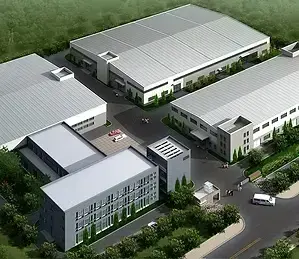
26,500m² production base
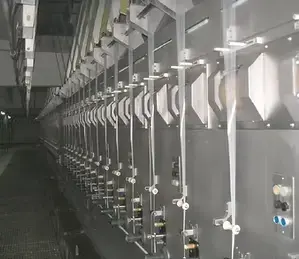
Advanced fiber dispersibility
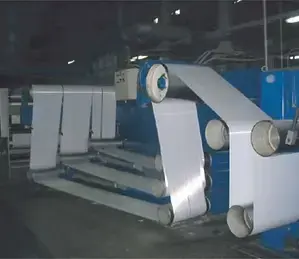
Exceptional tensile strength
FAQ
Alkali-resistant glass fiber is formulated with zirconia to improve resistance to the high-pH environment of cement-based materials. It is commonly used in GFRC and other cementitious products.
Zirconia contributes to the fiber’s resistance to alkaline cement environments. The required composition and performance should be confirmed in the current product specification.
Typical applications include GFRC architectural components, selected precast cement products, repair mortars and other cementitious systems requiring alkali-resistant glass reinforcement.
No. HPM® AR is an alkali-resistant glass fiber formulated for cementitious environments, while conventional non-AR glass fibers may not provide the same resistance to alkaline exposure.
HPM® AR should not be treated as a universal replacement for structural steel. Structural reinforcement requirements depend on project design and engineering criteria.