


PNE® Hybrid
Hybrid Steel-Micro Fiber for Concrete
Blended Fiber Reinforcement for UHPC & FRC
Contact Us: Sales@pioneerfibre.com
Since 2002, we have specialized in concrete crack resistance, waterproofing, and anti-corrosion technologies.
Hybrid Steel and Synthetic Fiber for Concrete | PIONEER®
Advanced Blended Fiber Reinforcement for UHPC and FRC
What Is Hybrid Steel and Synthetic Fiber for Concrete?
PIONEER® PNE® Hybrid steel and synthetic fiber systems combine high-tensile steel fibers with micro synthetic fibers to create an advanced crack-bridging network within concrete. This hybrid fiber reinforcement effectively controls both plastic and drying shrinkage cracks while providing post-crack load-bearing capacity and toughness for demanding concrete projects.

Looking to reduce cost while improving concrete performance?
Get a cost comparison and dosage recommendation for your project.
Contact us at sales@pioneerfibre.com
Physical Properties of Hybrid Fiber Reinforcement
Our hybrid fiber blend offers:
-
Material: High-tensile steel fibers + polypropylene micro fibers
-
Type: Blended hybrid fiber for concrete
-
Steel Fiber Length: 13 mm (customizable)
-
Steel Fiber Diameter: 0.2–0.4 mm
-
Synthetic Fiber Length: 6–12 mm
-
Tensile Strength: Steel: >2,500 MPa; Synthetic: >450 MPa
-
Modulus of Elasticity: Steel: 200 GPa; Synthetic: 3.5 GPa
-
Color: Mixed (gray and white)
Applicable standards and test methods
PIONEER® steel fibers are developed with reference to internationally recognized standards for steel fiber products and fiber-reinforced concrete. Applicable standards and documentation depend on the product grade, intended application, project requirements, and destination market.
-
ASTM A820/A820M — Standard Specification for Steel Fibers for Fiber-Reinforced Concrete
-
ASTM C1116/C1116M — Standard Specification for Fiber-Reinforced Concrete
-
EN 14889-1:2006 — Fibres for Concrete — Part 1: Steel Fibres — Definitions, Specifications and Conformity
These standards provide technical references for steel fiber selection and use in precast concrete, industrial floors, shotcrete, and other fiber-reinforced concrete applications. Product suitability should be confirmed according to the project design, required performance, and applicable local regulations.
Key Benefits of Using Hybrid Steel Fibers in Concrete
Using hybrid steel fiber reinforcement for UHPC and FRC provides:
-
Comprehensive Crack Control: Micro synthetic fibers reduce plastic shrinkage cracking, while steel fibers enhance post-crack toughness.
-
Superior Toughness: Increases flexural strength, energy absorption, and ductility.
-
Durability: Improves resistance to impact, abrasion, and fatigue in high-performance concrete.
-
Cost Efficiency: Allows partial or full replacement of rebar in select applications, reducing labor and material costs.
-
Consistent Reinforcement: Ensures uniform fiber dispersion without segregation during batching and placement.

Hybrid fiber-reinforced concrete during placement

Hybrid fiber mix ensures enhanced performance
Need quick pricing or dosage guidance?
Contact us directly on WhatsApp for a faster response
Applications of Hybrid Steel and Synthetic Fiber for Concrete
PIONEER® hybrid fibers are ideal for:
-
UHPC panels, bridges, and architectural façades
-
High-speed rail infrastructure and thin overlays
-
Industrial floors and pavements with high abrasion demands
-
Shotcrete for tunnels and slope stabilization
-
Precast concrete requiring high ductility and crack resistance
-
Heavy-duty concrete surfaces for warehouses and ports
-
Concrete repair and durable overlays in structural rehabilitation
These hybrid fibers enhance high-performance concrete, UHPC, and FRC applications requiring a combination of crack control, toughness, and longevity.

Hong Kong-Zhuhai-Macao Bridge

Da Nang Pier, Vietnam
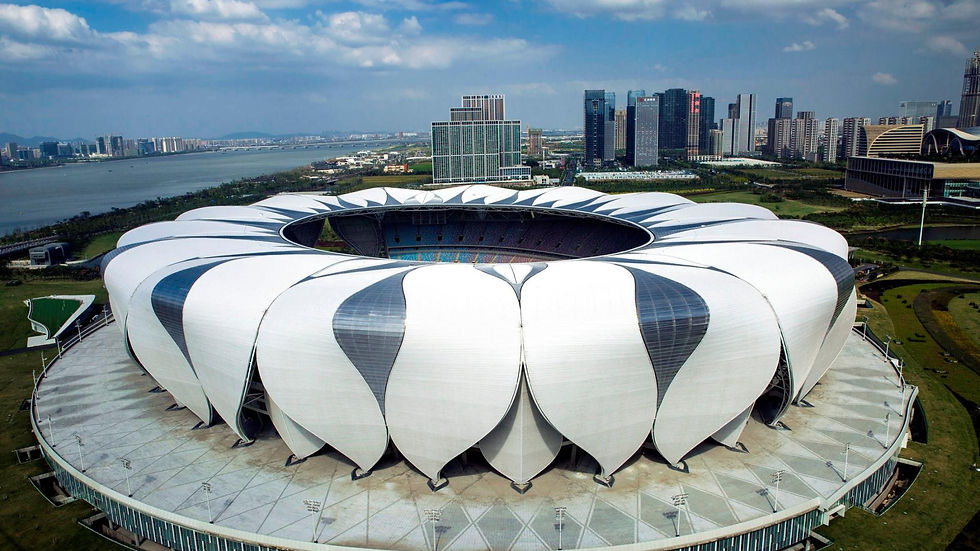
Hangzhou Olympic Center
How to Use Hybrid Fiber Reinforcement in Concrete
For effective use of hybrid steel and synthetic fiber for concrete:
-
Batching: Add fibers gradually during dry mixing to ensure even distribution.
-
Dosage: 10–30 kg/m³ depending on the structural and performance requirements.
-
Mixing: Extend mixing time to ensure full dispersion and prevent clumping.
-
Placement: Compatible with standard casting, vibration, pumping, and finishing methods for UHPC and fiber-reinforced concrete.
-
Finishing: Slight surface fiber exposure may occur but will not affect durability or performance.
Custom Steel Fibre Solutions for Concrete Reinforcement
We offer customizable reinforcement solutions for SFRC & UHPC:
Lengths: Standard and custom lengths available to suit project needs.
Packaging:
-
Water-soluble paper bags (5 kg, 10 kg) for direct addition into the mixer.
-
Cardboard cartons for organized on-site handling.
-
Bulk packaging options available based on project logistics.
Is Steel Fiber Still the Best Choice for Your Project?
Steel fiber is widely used in steel fiber reinforced concrete, offering high strength and reliable structural reinforcement in slabs and industrial floors.
However, in real construction, its performance often depends heavily on mixing and placement. Issues such as fiber balling, uneven distribution, surface exposure, and potential corrosion can affect workability, finishing quality, and long-term durability.
Where Steel Fiber Can Slow Down Your Project
On site, steel fiber can increase handling effort, affect pumpability, and lead to inconsistent reinforcement if not properly dispersed.
Exposed fibers may also interfere with finishing, making it harder to achieve a smooth and uniform surface.

Looking for a more practical and construction-friendly solution?
Get a cost comparison and dosage recommendation for your project.
Contact us at:sales@pioneerfibre.com
A More Efficient Alternative for Modern Concrete
Rimix™ 3D macro synthetic fiber provides a more consistent reinforcement approach with easier mixing, uniform dispersion, and better finishing performance.
No corrosion risk. No surface exposure. Easier placement.
It helps improve construction efficiency while delivering stable, long-term concrete performance.

Not sure if steel fiber is the right choice for your project?
Get quick guidance on performance, cost, and application.
Reach out to us:sales@pioneerfibre.com

Looking for a Quote or More Information about Our Products?
Share your application and receive the best fiber recommendation.
Select your application to get a faster recommendation
Need pricing or technical details for your project?
Send us your requirements and get a reply within 24 hours.
Reach out to us:sales@pioneerfibre.com
Prefer faster communication?
Chat with us directly on WhatsApp for instant support
Privacy Assurance: We respect your privacy and will never share your information.
Why Choose Us?
Proven Expertise & Greater Savings
24 years of focus
on fiber reinforcement solutions.
5,000 tons yearly
from advanced manufacturing.
20+ countries served
with global product distribution.
1,000 projects proven
in diverse applications worldwide.
FAQ
PNE® Hybrid is a blended fiber reinforcement product combining high-tensile steel fibers with polypropylene micro synthetic fibers for concrete. The two fiber components are intended to address different reinforcement requirements within one system.
The polypropylene microfiber component supports early-age crack-control objectives, while the steel fiber component can contribute to crack bridging and post-crack load transfer after the concrete has hardened. Final performance depends on dosage, blend composition, concrete mix and applicable test methods.
No. PNE® Hybrid contains polypropylene micro synthetic fibers together with a steel fiber component. For a dedicated micro steel fiber product, review PNE® MS-6013.
Final dosage should follow the current PNE® Hybrid TDS and should be selected according to the concrete application, blend composition, required performance, applicable test method and project design.
It may be considered in selected applications where project design, performance testing and applicable approvals support reduction or substitution of conventional reinforcement. It should not be treated as a universal replacement for mesh or rebar.
Featured Fiber Solutions
Upgrade your concrete performance with advanced reinforcement systems.


Explore by Fiber Type
Find the right fiber type based on your application, performance requirements, and budget.


Popular Fiber Products & Applications
Our most popular fiber solutions, trusted by contractors and distributors worldwide for crack control, reinforcement, and durability.


Why Choose PIONEER® Technologies
Certified Technical Data
Access product-specific datasheets, lab testing reports, and international compliance certificates for seamless project approval.
Proven Global Experience
Trusted worldwide for high-performance concrete fiber reinforcement across industrial, commercial, and infrastructure projects.
Broad Micro Fiber Range
Complete micro synthetic fiber portfolio—including monofilament, fibrillated, ultra-fine, self-dispersing, and polyester fibers for shrinkage crack control.
Expert Dosage & Engineering Support
Get tailored product selection, precise dosage optimization, and technical submittal assistance from our concrete specialists.

26,500m² production base

Advanced fiber dispersibility

Exceptional tensile strength
