

.jpg)
PIONEER HPM
Micro Synthetic Fibers for Concrete
Used in slabs, floors, pavements, and precast.
Since 2002, we have specialized in concrete crack resistance, waterproofing, and anti-corrosion technologies.
Micro Synthetic Fibers for Concrete
Compare Fiber Types by Performance, Material and Application
Micro synthetic fibers are fine polymer fibers used in concrete and mortar for functions such as plastic shrinkage crack control, cohesion, dispersion and other product-specific performance requirements. Compare monofilament, fibrillated, ultra-fine, self-dispersing and specialty micro fibers below, then review the relevant product page for dosage, specifications and technical documents.
How Micro Fiber Types Differ
Micro fibers are not interchangeable. Material, diameter, length, geometry, fiber count and dispersion behavior can influence crack-control performance, workability, finish and application suitability.
PIONEER offers different micro fiber technologies to match these requirements.
Compare Micro Fiber Types
Use this page to identify the most relevant fiber family. For exact dimensions, dosage, mixing instructions, packaging, safety information, and test evidence, continue to the individual product page.
Choose the fiber type according to the required function rather than by material name alone. The comparison below highlights the main differences between monofilament, fibrillated, ultra-fine, self-dispersing, and specialized micro fibers.
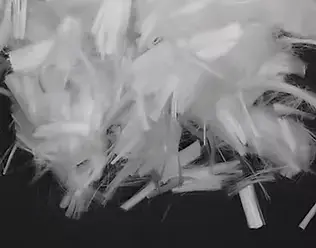
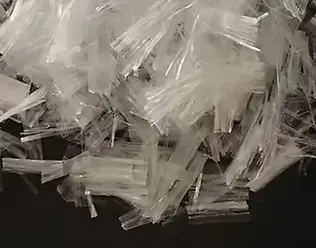
A fibrillated polypropylene fiber that forms a network structure during mixing, differing from monofilament distribution.
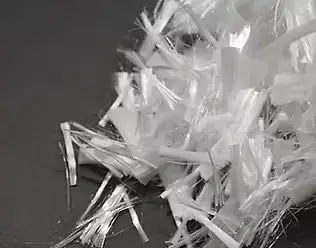
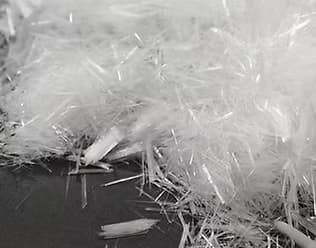
A polypropylene fiber designed for applications where rapid and consistent dispersion is an important production requirement.
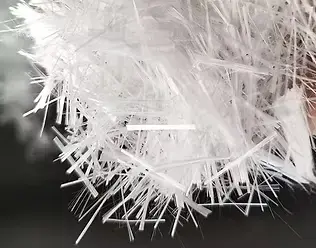
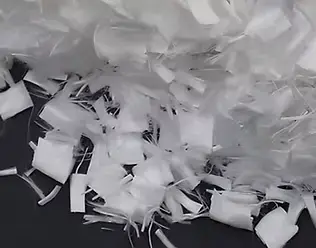
A polyester microfiber option designed for cementitious systems requiring specific PET material properties or project specifications.
How to Choose the Right Micro Fiber
Start with the performance objective, then narrow the choice by fiber material, structure, and application. Use the comparison table below to identify the most relevant product family, then review the individual product page for dosage, specifications, TDS, SDS, and test documentation.
1. Define the Need
Plastic shrinkage control, dispersion, GFRC reinforcement, fire-related performance, or another specific requirement.
2. Match the Fiber Type
Choose between monofilament, fibrillated, ultra-fine, self-dispersing, polyester, or alkali-resistant glass fiber.
3. Confirm the Product
Check the application, dosage, technical specifications, and available test evidence on the product page.
Micro Fiber Selection Guide
Need
Fiber Type
Product
Plastic shrinkage crack control
Monofilament PP microfiber
HPM PP
Fibrillated network geometry
Fibrillated PP fiber
HPM PP Mesh
High fiber count / fine dispersion
Ultra-fine PP microfiber
HPM UF PP
Rapid and consistent dispersion
Self-dispersing PP fiber
HPM SD PP
PET material requirement
Polyester microfiber
HPM PET
GFRC / alkali-resistant cement system
AR glass microfiber
HPM AR
Choose Micro Fibers by Application
Micro fibers are selected according to the application and required function. Use the application groups below as a starting point, then confirm the specific product and dosage on the relevant product page.
-
Slabs, Floors & Pavements :
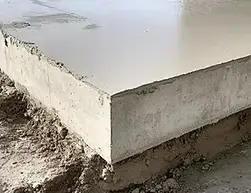
Monofilament and fibrillated PP fibers are commonly used for early-age crack control in slabs, floors and pavements.
-
Precast Concrete :
Microfibers can support crack control, cohesion, dispersion and production requirements in precast concrete.
-
Shotcrete & Underground :
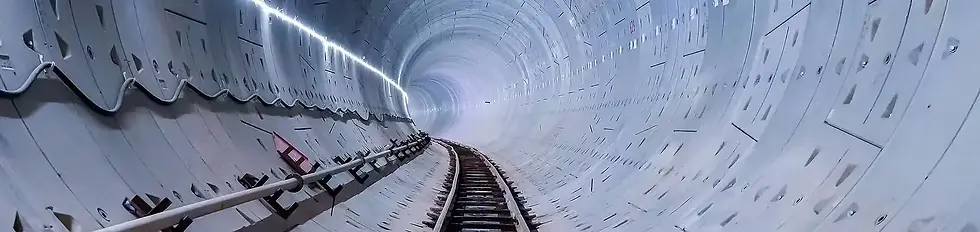
Selected microfibers are used in shotcrete for crack-control, cohesion or fire-related requirements, depending on the product.
-
Mortar & Cementitious Products :
Fine microfibers are used in mortar, screeds, repair materials and other cementitious systems where crack control, dispersion or finish is important.
Slabs-on-grade
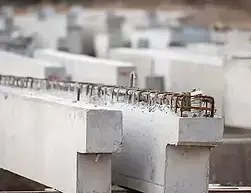
Precast Concrete
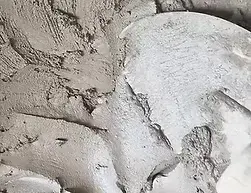
Mortar
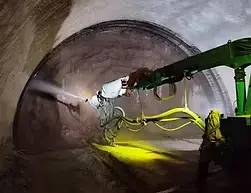
Shotcrete
Micro vs Macro Synthetic Fibers
Micro Synthetic Fibers
Primarily selected for early-age crack control, dispersion, fresh-concrete behavior or other product-specific functions.
Macro Synthetic Fibers
Designed for toughness, crack bridging and post-crack performance in hardened concrete.
Need a Higher-Performance Micro Reinforcement Option?
Rimix NanoRebar is a high-performance micro reinforcement system developed for applications requiring different mechanical or crack-control performance from conventional polypropylene microfibers. Review its technical data and available test evidence to determine whether it is suitable for your project.

Looking for a Quote or More Information about Our Products?
Share your application and receive the best fiber recommendation.
Select your application to get a faster recommendation
Privacy Assurance: We respect your privacy and will never share your information.
Why Choose Us?
Proven Expertise & Greater Savings
years of focus
on fiber reinforcement solutions.
tons yearly
from advanced manufacturing.
countries served
with global product distribution.
projects proven
in diverse applications worldwide.
Why Choose PIONEER Technologies
1. Product-Specific Technical Documentation
PIONEER products are supported by product-specific technical data, available laboratory testing and applicable certificates. Review the documentation for the selected product and project requirement.
2. International Project Experience
PIONEER fiber systems have been supplied for concrete applications across multiple international markets and project types.
3. Broad Micro Fiber Portfolio
The PIONEER micro fiber range includes monofilament, fibrillated, ultra-fine, self-dispersing, polyester and specialty fiber options for different cementitious applications.
4. Product Selection Support
Our team provides product selection support, dosage guidance and technical documents for project-specific fiber requirements.

26,500m² production base
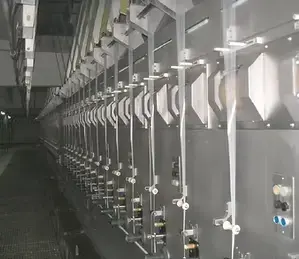
Advanced fiber dispersibility
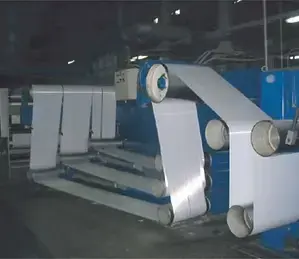
Exceptional tensile strength
FAQ
Micro synthetic fibers are mainly used for early-age crack control, cohesion, dispersion and other product-specific functions. Their exact role depends on fiber type, dosage and application.
Monofilament fibers are individual fine strands, while fibrillated fibers open into a network-like structure during mixing. Their geometry affects distribution, workability and application suitability.
Start with the required function and application, then compare material, geometry, dispersion, dosage and available technical data before selecting the product.
Generally, no. Micro and macro fibers serve different performance roles. Macro fibers should be evaluated where toughness and post-crack residual performance are required.
No. Suitability depends on fiber material, geometry, dosage, concrete system, mixing process, finish requirements and the required performance.